01 / 03
Brakes & Suspension
From brake feel to ride stability, a careful inspection helps identify wear before the right repair is agreed.
View contact information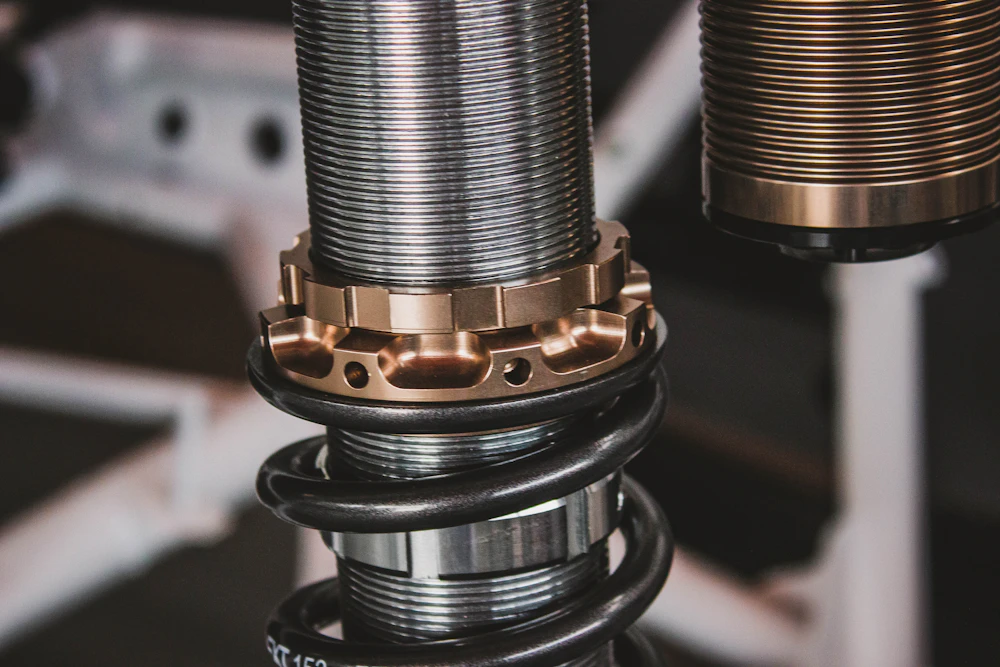

Explore common areas of vehicle maintenance and repair, from routine servicing to identifying a new problem.
From brake feel to ride stability, a careful inspection helps identify wear before the right repair is agreed.
View contact informationA clear diagnosis gives you useful answers about warning lights, unusual sounds, and changes in performance.
View contact information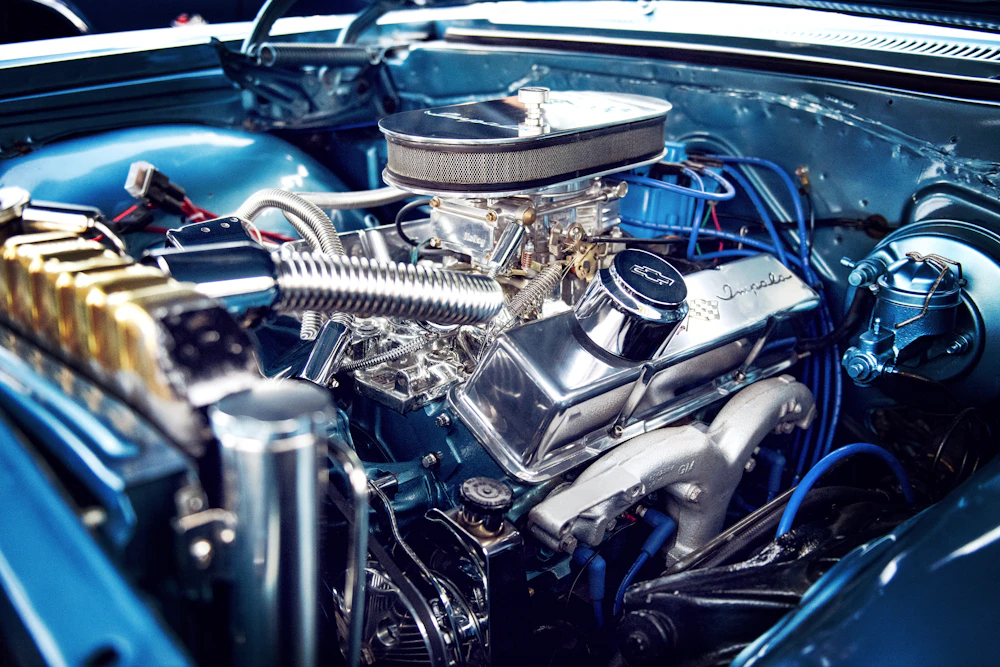
Routine oil and fluid care forms a practical foundation for a vehicle maintenance plan.
View contact information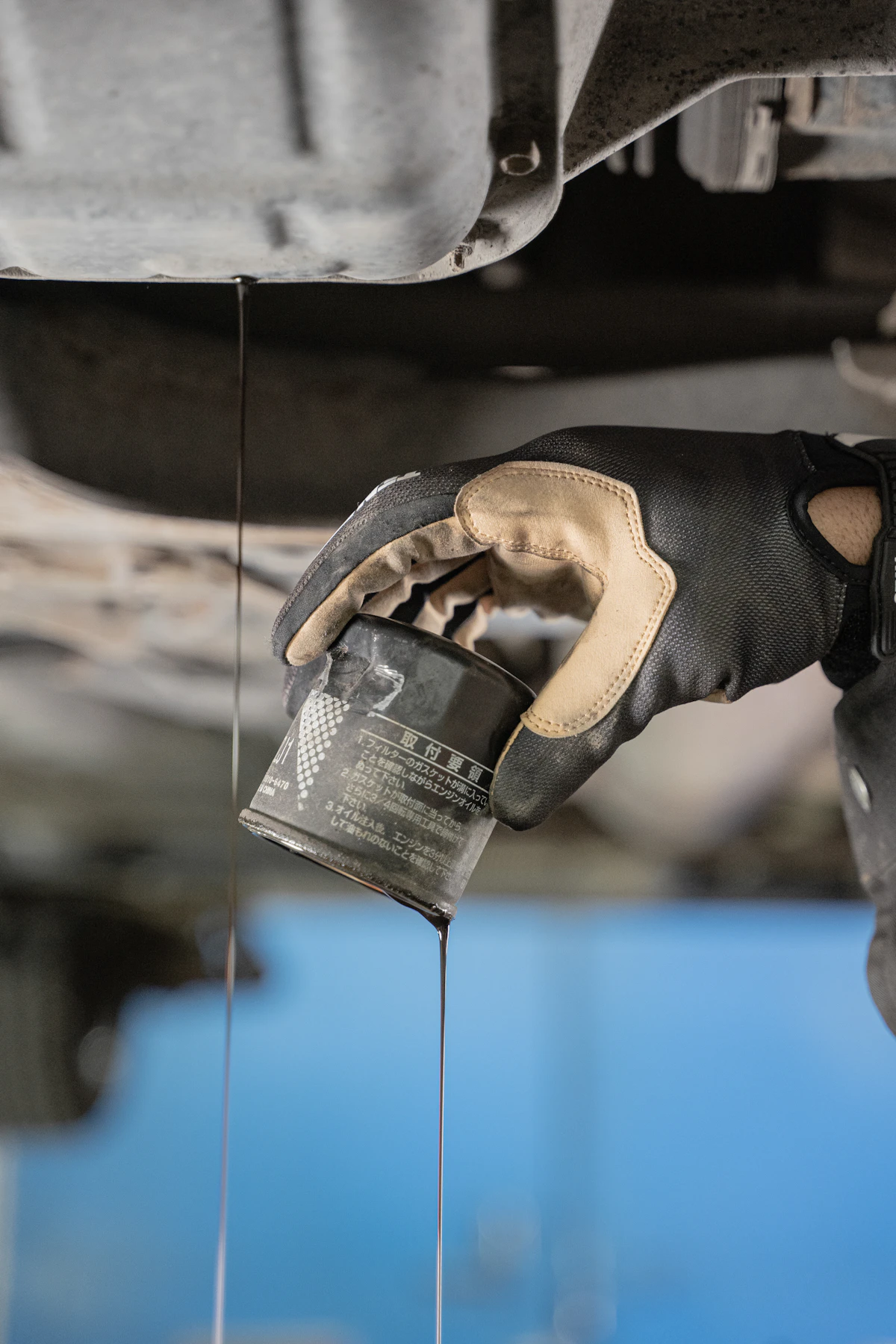
These four steps show how an enquiry can move from an initial conversation to a completed job.
Share the vehicle details and describe the work you would like to discuss.
An inspection helps narrow down the cause and the next steps.
Review the proposed work and scope before any service is arranged.
The completed work and any follow-up care should be explained at handover.
Good vehicle care begins with useful information. Understand what needs attention, decide which work makes sense, and keep track of the next step.
Use clear information to make confident decisions about servicing and repairs. Confirm the final scope and price before any work begins.
See the processUnderstand the issue, the proposed work, and the information behind a recommendation.
Compare the service options that suit your vehicle and the way you use it.
Keep a useful record of inspections, completed work, and suggested follow-up checks.
The package structure below is illustrative. Final inclusions and prices should be confirmed before arranging a service.
An example starting point for routine vehicle care.
An example package for a broader set of checks.
An example package for a more detailed review.
These general pointers can help you prepare for an enquiry and understand the work being discussed.
Vehicle make and model, mileage, recent service history, and a description of the issue are useful starting points.
Timing depends on the diagnosis, parts availability, and the work involved. A realistic timescale follows an inspection.
Confirm the proposed scope, estimate, expected timing, and what happens if inspection reveals additional work.
Start with the manufacturer schedule, your mileage, and any current symptoms. The final package scope should match your vehicle.
Ask for the specific parts and labour terms in writing before approving a repair.